
Travelling to Canadian National Parks for the First Time? Read This.
May 25, 2026 Team Contributor
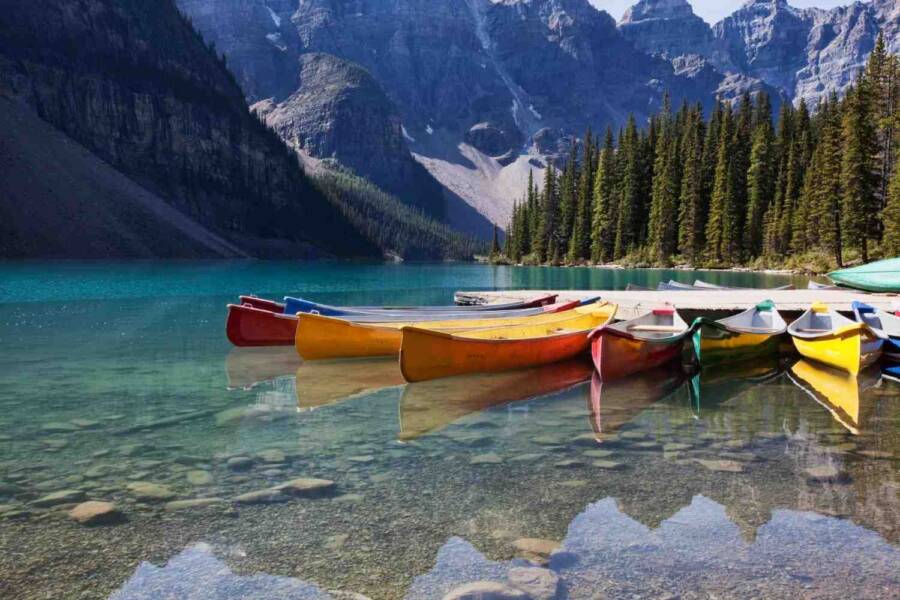
Imagine standing beside a turquoise lake amid the Rockies and hearing nothing except the distant calls of wildlife, murmuring waters, and gushing, soothing winds in the Canadian National Parks. That’s something unforgettable, isn’t it?
Every year, millions of travellers experience this beauty and take home memories that last a lifetime.
Parks Canada destinations welcome nearly 24 million visitors every year, which significantly contributes billions to Canada’s economy.
Planning for your next trip to the Canadian National Parks soon? Here’s what you must remember:
- Smartly plan your trip
The first thing you should understand is that Canadian National Parks are enormous in expanse. The distances between two points may look short on the map, but, for instance, travelling through parks like Jasper or Banff can easily take many hours.
Keep these in your mind:
- Keep buffer time for wildlife stops and weather changes
- Begin your drives early to avoid traffic
- Spend more time at a few locations
- Avoid overpacking your itinerary
If you are travelling for the first time, do not make the mistake of rushing to the viewpoints without experiencing the trails, local atmosphere, and lakes.
- Select the right season
Timing can completely shape your travel experience. According to Parks Canada’s first-time visitor’s guide, shoulder seasons and weekdays offer easier parking and quieter trails.
You should know:
- Weather conditions can rapidly change in mountain parks
- Early mornings offer the best scenic views
- Early autumn and Spring offer fewer crowds
- August and July are the busiest months
- Early booking is always the best idea
A major mistake which travellers often make is waiting too long to reserve passes or accommodations.
Parks Canada reported record visitor numbers in 2025, with campgrounds reaching full capacity during peak seasons.
What you must book in advance:
- Shuttle services
- Campsites
- Popular lake access routes
- Parking reservations
- Guided tours
- Respect wildlife and nature
Wildlife encounters are fairly common in Canadian National Parks, but safety must always take priority.
The safety points to remember:
- Responsibly dispose off waste
- Check advisories for weather and trails
- Carry enough snacks and water
- Stay on the marked trails
- Never approach moose, elk or bears
- Experience more than just hiking
Not every traveller chooses difficult trekking routes, and it is perfectly okay. A lot of parks offer:
- Beginner-friendly walks
- Canoeing experiences
- Scenic drives
- Indigenous tourism activities
- Cultural experiences and historic landmarks
Good to know
Canada features 37 national parks and 10 national park reserves, managed by Parks Canada. They span dramatic Rocky Mountain peaks, deep fjords, and coastal rainforests. A few must-visit parks per region include:
Western Canada and the Rockies
Pacific Rim National Park Reserve in British Columbia, Jasper National Park in Alberta, and Banff National Park in Alberta.
Northern Canada
Wood Buffalo National Park in NWT/Alberta
Eastern Canada
Cape Breton Highlands National Park in Nova Scotia, Bruce Peninsula National Park in Ontario, and Gros Morne National Park in Newfoundland.
Important Tips
- Before you visit, make sure you check the Parks Canada website for crucial advisories or information on wildlife safety.
- Purchase the Discovery Pass if you plan to visit multiple locations.
- Use the All Trails Canada Guide to map out backcountry routes and hikes.
Final words
The true beauty of Canadian National Parks lies not in their scenery but in slowing down, taking a breath, and disconnecting from fast-paced routines to connect with nature. So, if you are a first-time traveller, be ready to rediscover Canada in its most peaceful and breathtaking form ahead.
About the Author