
Yellow Warning – Air Quality Issued for Calgary as Wildfire Smoke and Heat Raise Concerns
July 24, 2026 Team Contributor
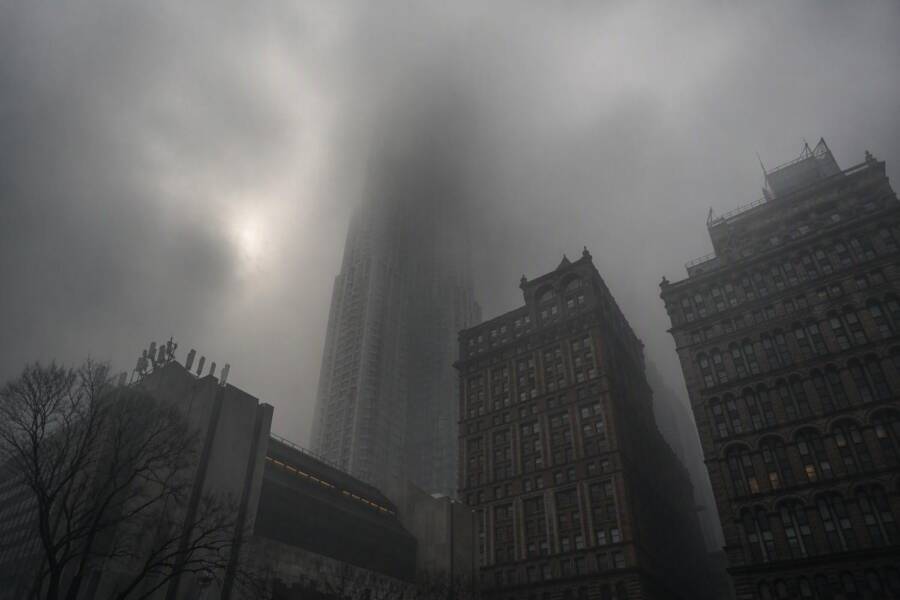
A Yellow Warning – Air Quality was issued for Calgary on Thursday afternoon after wildfire smoke led to deteriorating air quality and reduced visibility across the city.
Environment and Climate Change Canada (ECCC) reported that smoke conditions were affecting the region, while the Air Quality Health Index (AQHI) reached 9, placing Calgary in the high-risk category. Forecasts indicated AQHI values of 8 and 7 through Friday before conditions are expected to gradually improve heading into the weekend.
Why Calgary Air Quality Remains a Major Concern
The warning comes as smoke in Calgary continues to impact visibility and outdoor comfort. ECCC has advised residents and visitors to limit time outdoors when possible, particularly during periods when smoke concentrations increase. The agency also noted that air quality conditions can change rapidly over short distances and from hour to hour.
For travellers monitoring Calgary weather alert through The Weather Network is highly recommended to plan outdoor activities or travel. Experts recommend checking updated air quality forecasts before attending festivals, hiking, cycling, or sightseeing.
Dr. Andy Delli Pizzi, medical health officer with Interior Health, said, “Things like lung disease, COPD or asthma, or for people who have heart disease — wildfire smoke can make those illnesses worse.”
“If people are feeling unwell with shortness of breath or chest pain, then that’s a reason to either call 9-1-1 if it’s an emergency or you can call 8-1-1 for advice otherwise.”
Where Is the Smoke in Calgary Coming From?
The current smoke in Calgary is being driven by ongoing wildfire activity across parts of Western Canada, including British Columbia, where multiple active fires have contributed to worsening air quality conditions.
Shifting weather patterns and regional winds have carried smoke into southern Alberta, leading to reduced visibility and pushing Calgary air quality and Edmonton air quality into the high-risk category. ECCC has noted that smoke concentrations can change rapidly depending on local weather conditions and wind direction.
Festival Visitors Face Smoke and Heat
The warning coincides with the opening of the Calgary Folk Music Festival, one of the city’s major summer events. At the same time, Calgary is under a heat warning, with temperatures forecast to reach 32°C on Friday, creating an additional challenge for people spending extended periods outdoors.
The situation underscores the growing importance of the Western Canadian Outdoor Music Festivals Guide to Wildfire Smoke, which provides health and safety guidance for outdoor events during periods of poor air quality. With smoke-related disruptions becoming more common, many organizers are relying on such resources to help protect attendees, staff, performers, and volunteers across southern Alberta.
Regional Smoke Impacts Extend Beyond Calgary
Calgary is not the only region experiencing the effects of wildfire smoke. In British Columbia, worsening Kelowna air quality prompted health advisories and disrupted tourism activities as thick wildfire smoke reduced visibility around Okanagan Lake. The Air Quality Health Index in Kelowna reached the highest risk category, while some outdoor plans and recreational activities were cancelled or postponed.
Growing air quality concerns are beginning to disrupt large-scale public events across Western Canada. In Kelowna, the BC Summer Games postponed all outdoor competitions because of wildfire smoke, reflecting the far-reaching consequences of the ongoing wildfire season.
Yellow vs. Orange vs. Red – What’s These Air Quality Alert Levels?

Yellow Warning – Air Quality
- Moderate, localized, or short-term impacts.
- Hazardous weather may cause health effects or disruption.
- Most common alert level.

Orange Warning – Air Quality
- Significant health and safety impacts possible.
- Conditions may be widespread and last several days.
- Less common than yellow alerts.

Red Warning – Air Quality
- Extreme and potentially life-threatening conditions.
- Extensive and prolonged impacts.
- Rarely issued due to the severity involved.
For more details on colour-coded weather alert in a specific area, check Environment and Climate Change Canada (ECCC).
✅ Health & Safety Advice for Residents and Travellers
- Keep windows and doors closed when smoke levels rise.
- Reduce or reschedule strenuous outdoor activities.
- Use air filtration or portable air cleaners indoors when available.
- Consider getting a N95 respirator if you can’t avoid outdoor exposure.
- Seniors, children, pregnant individuals, and people with heart or lung conditions should take extra precautions.
Recent smoke-related disruptions in Ontario highlighted the wider impact of Canada’s wildfire season, as smoke led to deteriorating air quality, emergency actions, and travel-related disruptions. As conditions continue to evolve, authorities are encouraging the public to remain informed and follow official guidance.
Important Links:
About the Author