
Canada’s Night Sky to Host Rare Celestial Events This November. When to watch
November 5, 2026 Team Contributor
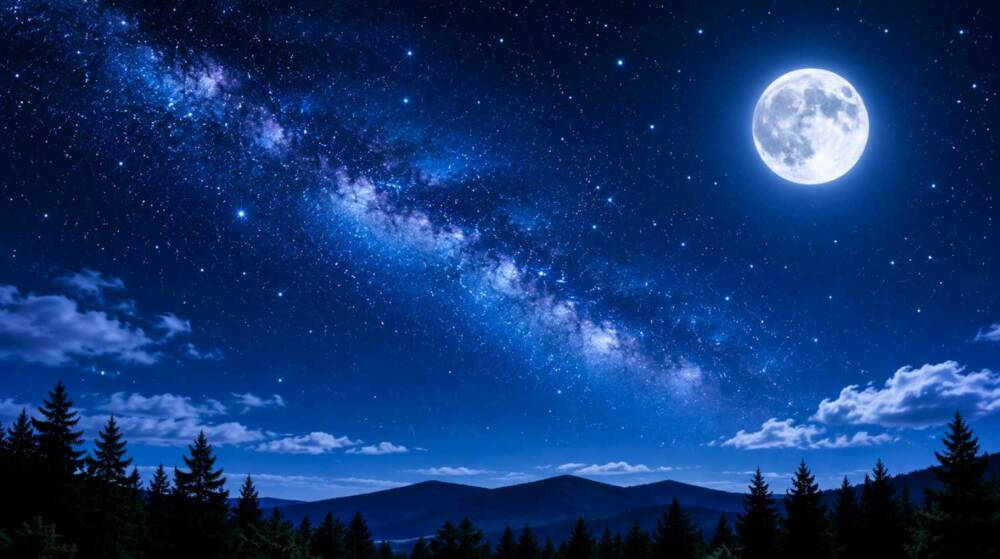
Some of the year’s brightest meteors are about to streak across Canada’s night sky. Combined with a rare planetary alignment and an upcoming Beaver Supermoon, the celestial events are expected to make November one of the busiest months of 2026 for skywatchers.
For travellers seeking unique experiences close to home, the celestial lineup could also provide a reason to explore some of Canada’s darkest-sky destinations such as the Prairie provinces.
Three night sky events will peak this month
The most anticipated displays include the Southern and Northern Taurid meteor showers, known for producing unusually bright shooting stars often referred to as “Halloween fireballs.”
The Southern Taurids are expected to peak on Nov. 5, while the Northern Taurids will reach their peak on Nov. 12. Although the showers typically produce only a modest number of meteors per hour, astronomy experts say they are notable for their exceptionally bright fireballs that can outshine many other shooting stars.
The Leonid meteor shower will follow later in the month, peaking between Nov. 16 and 17.
According to NASA, Leonid meteors travel at approximately 44 miles per second, making them among the fastest meteors visible from Earth. The shower is also known for producing colourful fireballs and “Earth-grazer” meteors that streak low across the horizon.
Saskatchewan could offer prime viewing conditions
Saskatchewan’s wide-open landscapes and relatively low levels of light pollution have long made the province a favourite destination for astronomy enthusiasts. Areas away from major urban centres can provide ideal conditions for viewing meteor showers and planetary events in the night sky.
The province is also home to some of Canada’s most impressive dark-sky regions, where clear horizons and limited artificial light enhance visibility.
Astronomy experts generally recommend finding a location away from city lights with an unobstructed view of the sky to maximize viewing opportunities.
Planet parade adds to the spectacle
Beyond meteor activity, Canadians may also have an opportunity to witness a rare planetary alignment in the night sky.
Throughout much of November, Mars, Jupiter, Venus and Mercury will be visible in the night and pre-dawn skies. During the peak viewing period between Nov. 14 and Nov. 16, Mars and Jupiter will appear especially close together.
Uranus will also be visible through binoculars or a telescope.
The planetary lineup is expected to remain visible through the end of the month if weather permits.
A travel opportunity for stargazers
Travellers hoping to plan a weekend escape around the meteor showers, planetary alignment or Beaver Supermoon may benefit from working with a travel advisor nearby who can recommend destinations with favourable night sky viewing conditions, accommodations near dark-sky locations and activities that complement the experience.
The Beaver Supermoon rounds out November
The month’s celestial events will conclude with the Beaver Moon, which reaches peak illumination on Nov. 24.
The full moon will also qualify as a supermoon, meaning it will appear slightly larger and brighter than a typical full moon because it occurs near the Moon’s closest point to Earth.
The Beaver Moon takes its name from the time of year when beavers traditionally prepare their dams for winter, according to folklore referenced by the Old Farmer’s Almanac.
More night-sky tourism could follow
With three meteor showers, a planetary alignment and a supermoon all occurring within the same month, November offers one of the strongest calendars for skywatching in recent years.
If weather conditions cooperate, Canadian travellers who are in Saskatchewan, Alberta and other night sky-friendly destinations, could enjoy front-row views of some of the year’s most memorable celestial events. For travel advisors, it may also be an opportunity to connect clients with experiences that encourage them to explore Canada’s vast night sky in a new way.
About the Author