Cuba to Withdraw Medical Workers From Jamaica After Programme Ends
March 7, 2026 Billy Walker
A decades-long medical partnership between Cuba and Jamaica is coming to an abrupt end, with Havana announcing it will withdraw its medical brigade from the island following the termination of a longstanding cooperation programme.
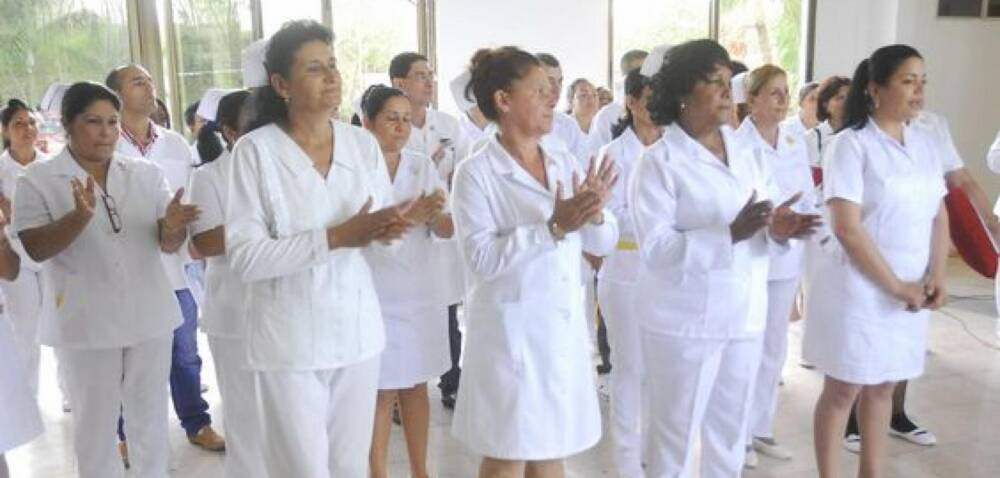
According to reporting by The Jamaica Gleaner, Cuba says it will remove 277 medical professionals currently working in Jamaica, a move that could leave a significant gap in the country’s public healthcare system.
The decision comes after Jamaica ended a bilateral arrangement that had allowed Cuban doctors, nurses and specialists to work in the country’s hospitals and clinics for nearly half a century.
A partnership dating back to 1976
The medical cooperation programme between the two Caribbean nations began in 1976 and became a key pillar of Jamaica’s healthcare system, helping address shortages of doctors and specialists, particularly in underserved communities.
Over the years, Cuban medical teams have supported a range of services in Jamaica, including general care and specialized programmes such as eye-care initiatives.
But Jamaica’s foreign ministry recently confirmed that the government has decided to discontinue the programme after both countries were unable to agree on the terms of a new cooperation arrangement following the expiry of the previous agreement in 2023.
Officials said the country would be willing to hire Cuban doctors and nurses individually under Jamaican labour laws, allowing them to complete the remainder of their existing contracts.
Cuba claims U.S. pressure influenced the decision
Cuba, however, has offered a different explanation for the breakdown of the programme.
In statements reported by The Jamaica Gleaner, Cuban officials argued that Jamaica had “yielded to the pressures of the Government of the United States” when it decided to end the agreement.
Havana said that in response to Jamaica’s move, it had made the “sovereign decision” to withdraw its medical brigade from the country.
The United States has increasingly criticized Cuba’s overseas medical missions, alleging that they involve exploitative labour practices — claims the Cuban government strongly denies.
Impact on Jamaica’s healthcare system
At the time of the decision, several hundred Cuban medical workers were still serving in Jamaica’s public health sector under existing contracts.
Their withdrawal could create additional pressure on a healthcare system that has long relied on international partnerships to fill staffing gaps.
Health officials have said contingency plans are being developed to ensure services continue, while exploring options to recruit and retain more healthcare professionals locally.
A wider regional shift
Jamaica is not the only country reassessing its medical cooperation with Cuba. Several nations in the region have recently reconsidered similar agreements amid geopolitical pressure and changing labour regulations.
For Jamaica, the end of the programme marks the closing of a nearly 50-year collaboration that has played a significant role in shaping the island’s public healthcare system.
About the Author