
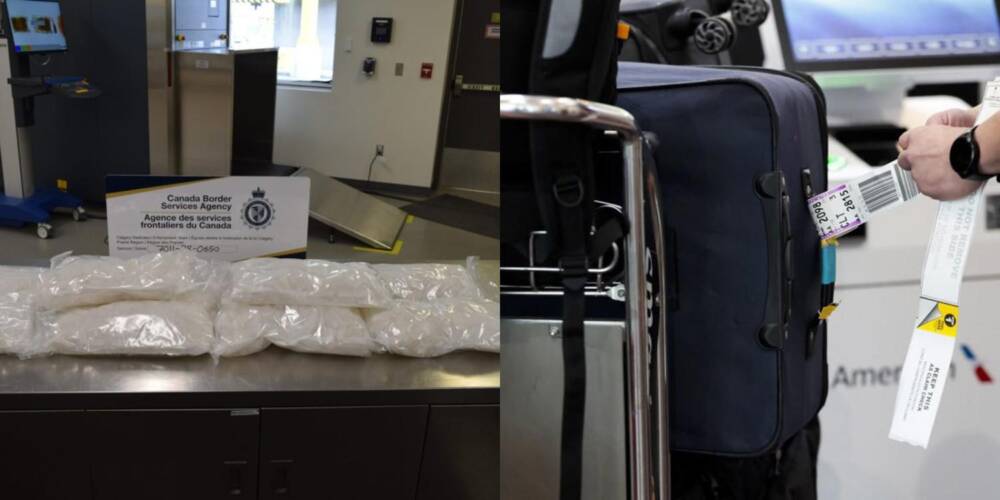
Canadians Arrested Abroad After Airport Baggage Tag Scam Linked Them to Drug Smuggling
May 29, 2026 Team Contributor
A growing baggage-tag switching scheme linked to Canadian airports has left innocent travellers facing drug smuggling accusations abroad, with several passengers now demanding accountability from airlines after enduring arrests, detention, and major financial losses.
Toronto Woman’s Arrest Sparks Wider Questions
At the centre of the controversy is Grace, a 66-year-old Toronto woman who says her trip to the Philippines turned into a nightmare after she was arrested at Manila International Airport last summer. Authorities accused her of transporting nearly 24 kilograms of methamphetamine after luggage bearing her baggage tag was discovered carrying narcotics.
Grace had travelled on Cathay Pacific from Toronto to Manila through Hong Kong. Despite insisting the suitcase was not hers, she spent 24 days in a Philippine jail before being released. The incident reportedly resulted in significant legal expenses, emotional distress, and missed travel arrangements.
Grace said, “They keep on denying liability. They are the one responsible for my luggage, from the time I checked it in, until it comes to where I’m going, to the final destination.”
“I suffered mentally, emotionally, physically, and even financially. Who will pay for that?” she said.
Her case forms part of a wider W5 investigation that uncovered at least 17 incidents over the past year involving Canadian passengers allegedly linked to drug-filled luggage after baggage tags were switched during airport handling operations.
More Canadians Report Similar Experiences
Among the affected travellers is Nicole, a Toronto paramedic detained in Vancouver in October 2024 after authorities discovered more than 20 kilograms of suspected methamphetamine inside luggage tagged under her name during a WestJet journey to New Zealand. She was later released without charges.
“WestJet basically said, ‘it’s not our responsibility. Sorry, you’re out of luck. Unless your bag was damaged or missing, it’s not our problem,’” Nicole said.
Other reported incidents involve Canadians detained in Japan, Germany, Mexico, and the Philippines after authorities uncovered cocaine, methamphetamine, or marijuana in tagged baggage.
Several victims say airlines have refused compensation, arguing responsibility for checked luggage is shared among airlines, airport operators, and third-party baggage handlers after check-in.
Airport Workers Under Investigation
Investigators believe the scheme involves airport workers removing baggage tags from legitimate passengers’ luggage and attaching them to suitcases loaded with narcotics. If the bags are intercepted, innocent travellers become the primary suspects.
The report states that six baggage and ramp workers connected to Toronto Pearson International Airport were arrested over the past year in connection with suspected baggage-tag manipulation operations. Authorities are now examining whether organised smuggling networks are exploiting insider access and security gaps within baggage-handling systems.
Air Canada, in a statement shared with W5, said checked baggage passes through a network involving several parties after passengers complete check-in.
“Air Canada receives checked baggage under its care and custody. It then moves it through a complex network of infrastructure operated and overseen by various third parties, from check-in to delivery. In those rare cases where a bag is unaccounted for, as opposed to delayed, or in the even much rarer event of tampering, liability will be determined based on the circumstances, including an assessment of the role of each party.”
Safety Measures for Travellers
Security experts are advising travellers to take additional precautions before checking in baggage, including:
- Photographing suitcases before check-in
- Taking close-up images of baggage tags
- Recording the weight of luggage before travel
- Verifying that baggage fee receipt numbers match attached tags
- Keeping baggage claim receipts until reaching the final destination
- Using distinctive luggage straps or markings
- Considering GPS tracking devices such as Apple AirTags
- Reporting damaged or altered baggage tags immediately
The growing concerns around baggage handling come as Canadian travellers are already facing rising airline-related costs and frustrations. Read more about the latest Air Canada baggage fee changes and what they could mean for passengers in 2026.
About the Author