
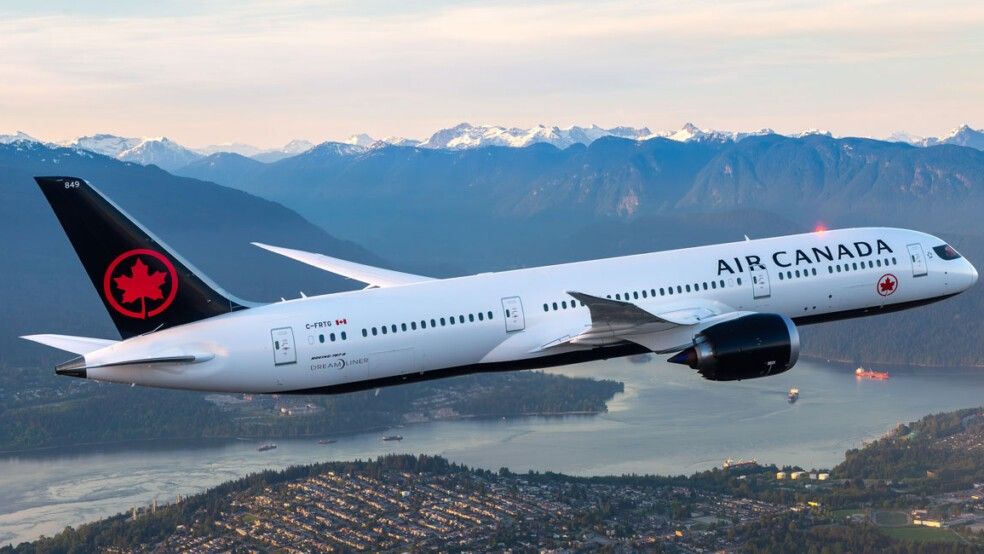
Air Canada Seasonal Route Cuts Hit Four Routes Amid Rising Jet Fuel Costs
May 8, 2026 Team Contributor
The recent announcement on Air Canada seasonal route cuts confirms that four of its seasonal routes will end earlier than originally planned. The decision arises from rising operational costs and jet fuel prices, reflecting ongoing pressure on the aviation industry worldwide.
The Air Canada seasonal route cuts will significantly impact North American leisure routes, including Montreal-Austin, Toronto-Charleston, Vancouver-Raleigh, Toronto-Sacramento, and others.
These services are about to end between late July and early September 2026, earlier than seasonal closure dates.
“As we regularly do, we monitor and review our network to ensure that routes are meeting profitability targets. Jet fuel prices have doubled since the start of the Iran conflict, affecting some lower profitability routes and flights, which are now no longer economically feasible. Schedule adjustments, including some frequency reductions, are being made in response.” – Air Canada.
The airline confirmed that the affected passengers will be contacted very soon to offer them full refunds or rebooking oping options, based on their travel plans.
Industry data show that jet fuel prices have surged sharply in recent months, with some reports indicating a near-doubling of costs compared to earlier periods.
This increase has pushed multiple airlines to reassess the route viability and capability.
It’s further indicated that the Air Canada seasonal route cuts are expected to remain temporary, with plans to restore the routes in summer 2027, depending on fuel price stability and market conditions.
Broader industry trends suggest that Air Canada is not alone, as several carriers have already reduced flight frequencies or even suspended routes in response to shifting demand patterns and rising fuel costs.
This trend highlights the sensitivity of seasonal aviation networks to cost fluctuations, especially for leisure-focused routes.
The Air Canada seasonal route cuts underline how quickly external cost pressures can reshape even well-established travel networks.
While the decision disrupts short-term travel plans, it also reflects a broader industry reality in which efficiency and sustainability must be continually balanced.
Ultimately, it is a reminder that in aviation, adaptability is no longer optional; it is essential for survival and long-term stability.
About the Author