
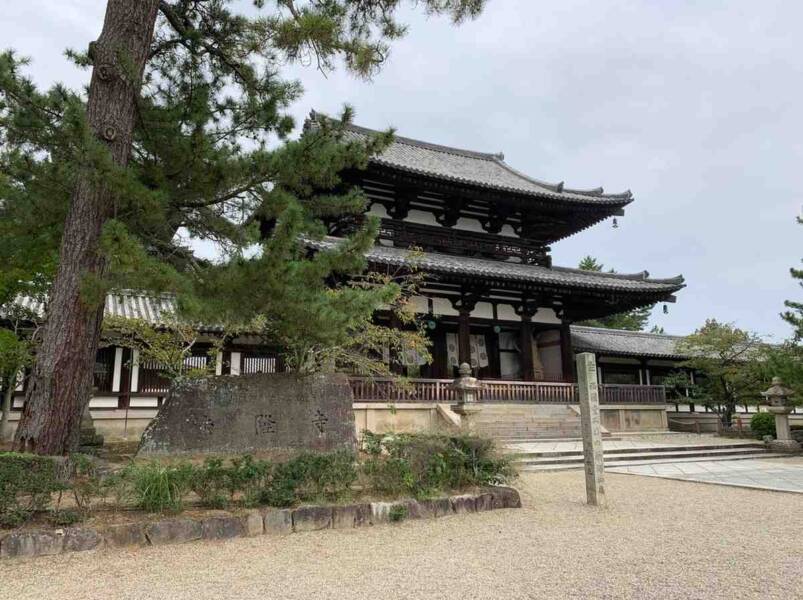
Ancient Capitals of Asuka and Fujiwara Now on the UNESCO World Heritage List
August 10, 2026 Team Contributor
Japan has successfully included another landmark to its cultural portfolio after the ancient capitals of Asuka and Fujiwara were officially inscribed on UNESCO’s World Heritage List on 26th July, 2026.
Located in Nara Prefecture in Japan’s Kansai Region, the newly recognized site becomes the country’s 27th UNESCO World Heritage Site and highlights the area widely regarded as the birthplace of the Japanese state.
The inscription celebrates a collection of temples, historic ruins, burial mounds, and palace sites that date back to the 6th and 7th centuries, when Asuka served as Japan’s cultural and political center, long before the capitals of Kyoto and Nara came into being.
Ancient capitals of Asuka and Fujiwara – things to know
The ancient capitals of Asuka and Fujiwara are crucial cultural and archaeological sites. The sites are spread across Kashihara City, Asuka Village, and Sakurai City.
The key locations explore:
- Takamatsuzuka Tumulus
- Kitora Tumulus
- Tachiban-dera Temple Site
- Ishibutao Tumulus
- Asuka-deta Temple Site
- Fujiwara Palace Site
- Asuka Palace Site
Historians consider the region one of the most crucial places in Japanese history because it was here that a centralized government structure started to emerge under imperial rule during the Asuka period.
A look into Japan’s earliest formation of state
The World Heritage designation recognizes the area’s role in giving shape to the early civilization in Japan. During the Asuka period, reforms associated with the Taika Reform and Prince Shotoku helped establish administrative and political systems that laid the foundation for today’s Japan. The archaeological remains and palace ruins provide valuable information about how the country’s earliest governmental institutions were formed.
Because of this historical significance, Asuka is often referred to as the ‘birthplace of Japan’.
Ancient tombs and historic temples
Among the region’s highlights, tourists can find Asuka-dera Temple, which is home to the country’s oldest surviving Buddha statue.
Visitors can also explore:
- Okadera Temple, which houses one of Japan’s largest surviving clay Buddhist statues.
- Kitora Tumulus and Takamatsuzuka Tumulus, which are popular for their remarkably preserved archaeological discoveries and preserved murals.
- Ishibutai Tumulus, which is Japan’s largest stone burial chamber.
Many mysteries surrounding these ancient tombs remain unresolved, adding to their appeal to researchers and history enthusiasts.
Kintetsu Railways has launched a commemorative train.
To celebrate the UNESCO recognition, Kintetsu Railways has announced a special commemorative train called the Asuka-Fujiwara Shijin Liner, which started its service on 1st August, 2026.
The train’s design is inspired by the Four Symbols of East Asian mythology:
- Genbu (Black Tortoise of the North)
- Suzaku (Vermilion Bird of the South)
- Byakko (White Tiger of the West)
- Seiryu (Blue Dragon of the East)
These motifs appear in murals discovered in the region’s tumuli and help connect passengers with the area’s rich history during their journey.
A new tourism spotlight for Nara
Tourism officials expect the UNESCO designation to significantly boost visitation to Nara’s southern region. Beyond the archaeological attractions, visitors can also enjoy:
- Scenic countryside landscapes
- Fruit picking activities featuring Asuka Ruby strawberries
- Ancient costume rental experiences
- Historic streetscapes
- Traditional restaurants and cafes
The area is easily accessible via the Kintetsu Railway network, which connects many major destinations in Kansai to Nagoya, Kyoto, and Osaka.
The inscriptions of the ancient capitals of Asuka and Fujiwara create a major milestone for Japan’s cultural tourism sector. By blending UNESCO recognition, preserved archaeological sites, ancient history, and enhanced rail access through the newly announced commemorative train, the region is set to become one of Japan’s most compelling heritage destinations for international and domestic travelers alike.
About the Author