
Nepal Flood: 24 Canadians Among Hundreds Missing After Devastating Flash Flood
August 27, 2026 Team Contributor
At least 24 Canadians are among hundreds of people reported missing after a catastrophic Nepal flood swept through communities near the country’s border with Tibet, leaving a trail of mud, debris and destruction.
The Canadian government says it is aware of Canadians affected by the disaster and that consular officials are working with authorities on the ground. For Canadian travellers and families trying to find information, here is what we know about the Nepal flash flood, the Canadians reported missing and the response underway.
What happened in Nepal?
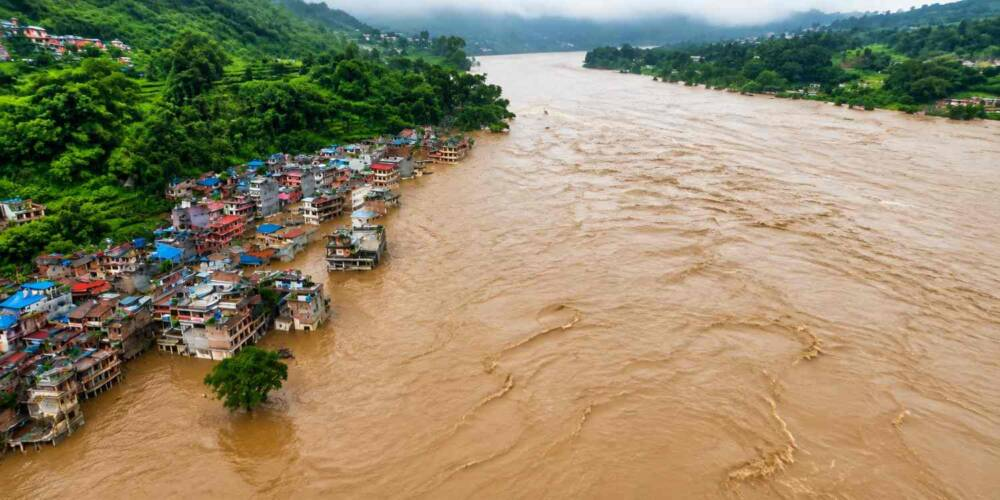
A massive flash flood in Nepal struck the northern Rasuwa district on Wednesday, August 26, after a wall of mud, rock and water surged through the mountainous region.
The flooding affected areas around the Bhotekoshi River and spread downstream, damaging villages, roads, bridges and hydropower infrastructure.
Nepalese police reported at least 157 deaths on Wednesday, while hundreds of people remained unaccounted for. In neighbouring Tibet, Chinese authorities reported deaths and hundreds missing after a mudslide struck Gyirong County near the border.
The disaster also disrupted an important route used by travellers heading towards the Rasuwagadhi border crossing.
24 Canadians are among those missing
The Canadian connection has quickly become one of the biggest concerns for travellers watching the Nepal floods.
Nepal’s embassy in Ottawa told that 24 Canadian nationals were reported out of contact as of 7 p.m. Nepal Standard Time on Wednesday.
The 24 Canadians have not been publicly identified by name, and no verified public information indicates that all 24 were travelling together.
Nepal Tourism Board figures reported by local sources said 403 tourists were out of contact following the flooding. That included 341 foreign nationals. The list included 133 Indians, 47 Americans, 34 Australians, 33 Britons and 24 Canadians, among others.
Who were the missing travellers?
Many of those caught in the disaster were travelling through northern Nepal for trekking and pilgrimage.
The affected region is an important route for people travelling towards Gosaikunda and Mount Kailash in Tibet. The flooding occurred while pilgrims and travellers were moving through the area.
A tourism company also reported that 47 people from one group were missing, including Canadians and nationals from several other countries. However, authorities have not established that this group represents all 24 Canadians reported out of contact.
What caused the Nepal flash flood?
Early reports raised questions about whether an earthquake had triggered the disaster.
That explanation has since changed.
The U.S. Geological Survey determined that the seismic signal initially reported as an earthquake came from a glacial rock-and-ice collapse and the resulting debris flow, not an earthquake.
The collapse sent an enormous amount of water, mud and rock downstream, turning the river system into a destructive torrent.
The Himalayan landscape also makes these events particularly dangerous. Steep valleys can channel large volumes of water and debris rapidly into populated areas.
Canada says it is monitoring the situation
Global Affairs Canada issued a statement on August 26 saying it was aware of Canadians affected by the floods.
The department said Canadian consular officials were following the situation closely with local authorities and were ready to provide assistance. Canada also said it was in contact with humanitarian partners and was prepared to contribute to humanitarian efforts if needed.
As of August 26, Global Affairs Canada said 820 Canadians were registered as being in Nepal and five in Tibet through its Registration of Canadians Abroad system.
The government cautioned that registration is voluntary, meaning those figures do not represent every Canadian who may actually be in the region.
Power outages have also made communication with people in affected areas more difficult.
Canada has updated its Nepal travel advice
Canada updated its travel advice for Nepal and China on August 26 to include information about the flash flooding along the Nepal-China border.
Canada’s broader travel advisory for Nepal currently says travellers should exercise a high degree of caution. The government also warns that Nepal’s monsoon season, which runs from June to September, can bring flooding, landslides and mudslides that disrupt roads and essential services.
For Canadians already in Nepal, the advice is straightforward: stay away from flooded areas, monitor local information and follow instructions from local authorities.
What should Canadians do if they need help?
Canadians in Nepal who need emergency consular assistance can contact Global Affairs Canada’s Emergency Watch and Response Centre.
Canada has provided several ways to reach officials:
- Phone: +1 613-996-8885
- Text: +1 613-686-3658
- WhatsApp: +1 613-909-8881
- Signal: +1 613-909-8087
- Email: so*@**************gc.ca
Global Affairs Canada says travellers should also regularly check its travel advisories and register with the Registration of Canadians Abroad service to receive updates.
The Government of Canada also lists emergency contacts for Canadian consular assistance in Nepal, including Canada’s honorary consul in Kathmandu.
Nepal’s rescue operation continues
Nepalese authorities have deployed search-and-rescue teams as the scale of the Nepal catastrophe becomes clearer.
The government has said resources are being used for search, rescue, rehabilitation and treatment of injured people. Authorities have also warned people to stay away from major rivers affected by the flooding.
The damage has made the rescue operation particularly difficult. Roads and bridges were washed away, while power outages and damaged infrastructure have complicated communications and access.
Canadian travellers should stay informed
For Canadians with family or friends travelling in Nepal, the situation remains fluid.
Search and rescue teams are still working to locate people, while governments and diplomatic officials are trying to establish contact.
The disaster also reminds people how quickly conditions can change in Nepal’s mountainous regions during the monsoon.
For Canadian travellers, official government advisories should take priority over social media posts or unverified Nepal flood video clips circulating online.
Canada has seen the risks of flooding at home, too
The devastation in Nepal may feel far away, but Canadians know how quickly flooding can disrupt communities and travel.
Canadian Travel News has previously reported on severe weather events at home, including flooding and tornado-related disruption in Saskatchewan. Read our coverage of the Saskatchewan flood and tornado news for more on how extreme weather can affect communities and travellers.
Another example came during Canada Day, when severe weather caused flooding and travel disruption in Ottawa. Our earlier report on Ottawa storm flooding in Canada provides further context on the impact extreme weather can have on transportation and local travel.
The search for the missing continues
The Nepal flood has become an international rescue effort, with Canadians, Americans, Australians, Britons, Indians and other foreign nationals among those reported missing.
For Canada, the immediate priority is locating the 24 Canadians reported out of contact and supporting affected travellers and their families.
Global Affairs Canada says it is continuing to monitor developments, while Nepalese authorities carry on with search and rescue operations.
As information changes, travellers should rely on official Canadian and Nepalese sources for the latest updates rather than unverified reports online.
About the Author