
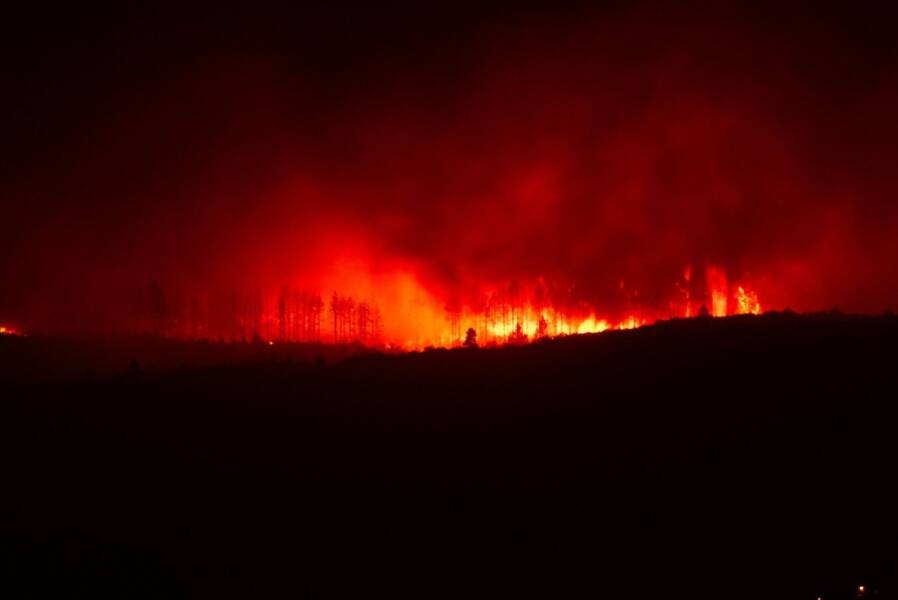
Collins Ontario Fire Forces Evacuations as Wildfires Intensify
July 15, 2026 Team Contributor
The Collins Ontario fire is among the growing number of wildfires, driving evacuations across northwestern Ontario, as emergency crews battle expanding blazes and communities struggle to house displaced residents.
As wildfire evacuations expand across northwestern Ontario, Thunder Bay is receiving displaced residents from several First Nations communities, creating growing demand for accommodation and emergency assistance.
Sources report that evacuees from the Armstrong, Collins, and Whitesand First Nations have already begun arriving in Thunder Bay as wildfire threats continue to grow.
Collins Ontario fire – how the situation escalated
The latest wave of Ontario fires intensified over the weekend as dry conditions and active fire behaviour pushed several northern blazes closer to communities. Provincial officials ordered residents in affected areas to evacuate as a precaution, citing quickly changing wildfire conditions and the risk of fires spreading toward populated areas.
The evacuation effort has largely focused on communities near the Armstrong Ontario fire zone and nearby regions threatened by advancing flames. While no major structural losses have been reported in the affected communities so far, officials continue to monitor fire activity closely.
Thunder Bay feeling the impact
As evacuees arrive, accommodation across Thunder Bay is filling quickly. Temporary shelters, hotels and emergency reception centres are being used to support residents forced from their homes by wildfires in Ontario.
Local authorities have coordinated with government agencies and indigenous leadership to provide temporary housing, meals, transportation and other support services.
The growing influx of evacuees has also prompted concerns about accommodation capacity should additional communities require evacuation in the coming days.
Air quality in Toronto deteriorating
Searches for air quality in Toronto have shot up. The Met has already warned that it could last till the end of this week. As the bellowing smoke moves southwards, an orange alert has been issued. Residents will likely experience poor weather as the air quality in Toronto has reached 10+ (“Very High Risk”) in some readings. Toronto air quality was ranked worst in the world at 8:00 AM. An hour later it was still there.

In case you’re wondering why is the sky orange today, it’s because of over 100 active wildfires burning across northwestern Ontario. Extreme heat and dry conditions are exacerbating the Ontario wildfires. The city is also under a heat alert, with temperatures reaching 33°C (feeling like 36°C with humidity). It makes the Ontario fires worse. One of our subscribers sent a photo of what the sky looks like today.

In the wake of the Ontario wildfires, the City of Toronto has cancelled or moved all outdoor programs (such as CampTO field trips) indoors where possible. Stay updated by monitoring official Environment Canada alerts and local news sources, as conditions may fluctuate throughout the day.
Emergency measures and fire ban
In response to escalating wildfire risks, Thunder Bay has implemented a city-wide fire ban. Residents are prohibited from lighting outdoor fires, including recreational fire pits, to reduce the risk of additional ignitions.
Officials have urged the public to stay vigilant and follow restrictions while conditions remain hazardous.
Emergency crews continue to attack the fires from both air and ground, while evacuation routes remain active for affected communities. Authorities have not ruled out additional evacuation orders if weather conditions worsen or if the northern Ontario forest fires spread further.
What residents must do?
Officials recommend residents:
- Prepare emergency kits in case evacuation orders expand
- Check for the latest Collins Ontario fire map for changing conditions
- Follow all fire bans and outdoor burning restrictions
- Avoid travelling into wildfire-affected areas unless necessary
- Monitor local emergency updates and evacuation notices
People over 65, pregnant individuals, infants, young children, and those with existing heart or lung conditions are at greater risk from the wildfire smoke. They should be particularly cautious.
If you experience symptoms such as eye, nose, or throat irritation, headaches, or a mild cough, consider reducing activity. For more serious symptoms such as wheezing, chest pain, or a severe cough, seek medical assistance.
The Collins Ontario fire remains part of a broader wildfire emergency affecting northwestern Ontario. While the emergency responders continue to work aggressively to contain the blazes, authorities warn that the situation remains fluid. With thousands impacted by evacuations and accommodation resources under strain, the coming days will be critical in determining whether further communities will be forced to leave their homes.
About the Author