
Early Polar Vortex & El Niño Clash – A Winter Travel Forecast
October 26, 2026 Team Contributor
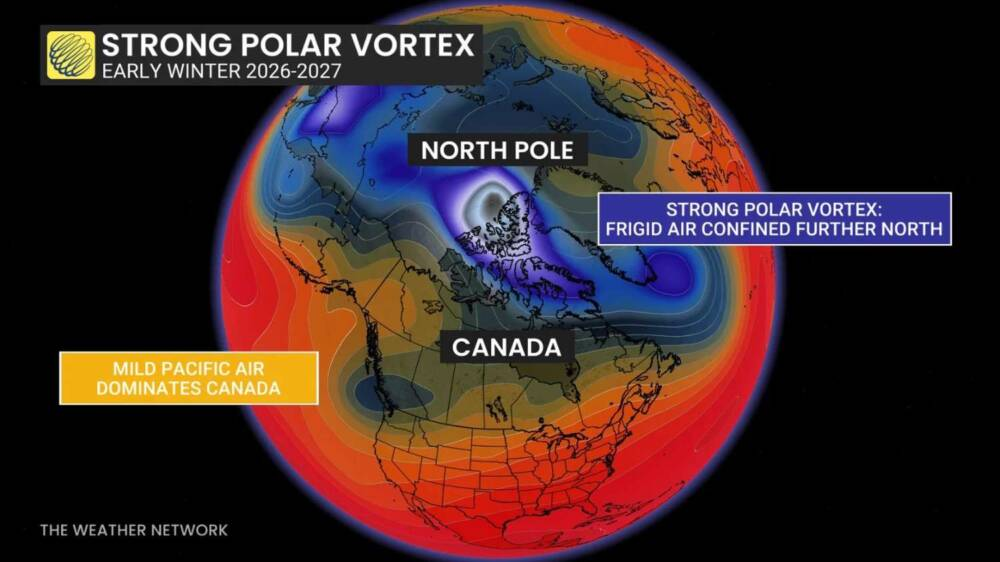
An unprecedented atmospheric disruption is causing significant changes this winter. Meteorological data from NOAA as well as other international forecast centers reveal that a stratospheric polar vortex has weakened to near-record levels, weeks ahead of its schedule.
Compounding this early-season Arctic wobble is the dominant El Niño climate dynamic. The high-stakes collision of the global climate drivers is setting up wild temperature swings, volatile jet stream shifts, and increased risks for travelers navigating winter getaways and holiday flights.
Winter weather collision – travel impact and climate drivers
Regional Ski & Resort Impact – Heavy early powder in the Sierra Nevada & Rockies; erratic freeze-thaw cycles across the Northeast and Midwest.
Major Aviation Hub Risks – High volatility and potential de-icing delays across Chicago O’Hare, Toronto Pearson, and Denver International.
El Niño Pacific Warming – Elevated equatorial Pacific sea surface temperatures (SSTs) drive strong southerly moisture and mild baseline air.
Early Stratospheric Disruption – Stratospheric zonal winds have plunged to near-record lows, allowing frigid Arctic air lobes to destabilize early.
Why is this polar vortex is historic?
Usually, the polar vortex functions as a high-altitude ring of the quick-spinning westerly winds in the stratosphere that traps the bitterest cold over the North Pole.
However, current meteorological analyses indicate that stratospheric warming events and anomalous wave activity have severely hobbled these winds.
When the polar vortex destabilizes this early in the season, the jet stream buckles into deep meanders. Instead of circular, smooth barrier, the atmosphere develops large waves which can pull lobes of sub – zero Arctic air deep into mid-latitude population and transit centers without warning.
The El Niño wildcard
At the same time, the El Niño phase is pumping moisture-laden, warm Pacific air across the southern tier of North America.
When this mild Pacific flow clashes against the erratic Arctic air breakouts, driven by a fractured polar vortex, regions experience whiplashes of extreme temperature – shifting from unseasonably warm days to severe, sudden freezing events in just a matter of hours.

Direct impacts on winter itineraries and commercial aviation
For travelers, this dual-climate volatility translates into operational headaches across major transport networks:
Cruise and Tour Disruption Cascades: Travelers flying in to catch winter cruise departures or guided land tours face higher risks of weather-related flight cancellations, making tight connections a major liability.
The El Niño Ski Split: While El Niño typically brings a drier baseline to parts of the Pacific Northwest and northern Midwest, regions like the Sierra Nevada (Lake Tahoe) and the Southern Rockies often benefit from heavy atmospheric river moisture. Skiers heading to western resorts may find epic powder, while eastern and midwestern destinations face unpredictable snowpack consistency.
De-Icing and Ground Stop Delays: Sudden incursions of Arctic air cause rapid freezing rain, heavy snowfall, and ice storms at critical airline connection hubs like Chicago (ORD), Minneapolis (MSP), Toronto (YYZ), and Denver (DEN).
Traveling in winter? Here’s how you can safeguard your itinerary
As the climate models are pointing toward an erratic winter, industry experts and experienced travelers recommend the following protective measures:
Leverage Private Travel Insurance: Comprehensive policies featuring Trip Delay coverage bridge the financial gap, reimbursing unexpected overnight hotel stays, meals, and replacement essentials when weather halts your journey.
Understand DOT Delay Rules: Under current Department of Transportation guidelines, airlines are exempt from providing out-of-pocket hotel or meal compensation for weather-related disruptions.
Build Buffer Days: Never book a flight that arrives on the exact day of a cruise embarkation or major tour start. Arriving 24 to 48 hours early absorbs unexpected weather delays.
Planning a ski trip, winter getaway, or cruise? Our certified travel advisors will help you secure flexible airline tickets, optimize your travel schedule, and protect your bookings with comprehensive travel insurance.
About the Author