
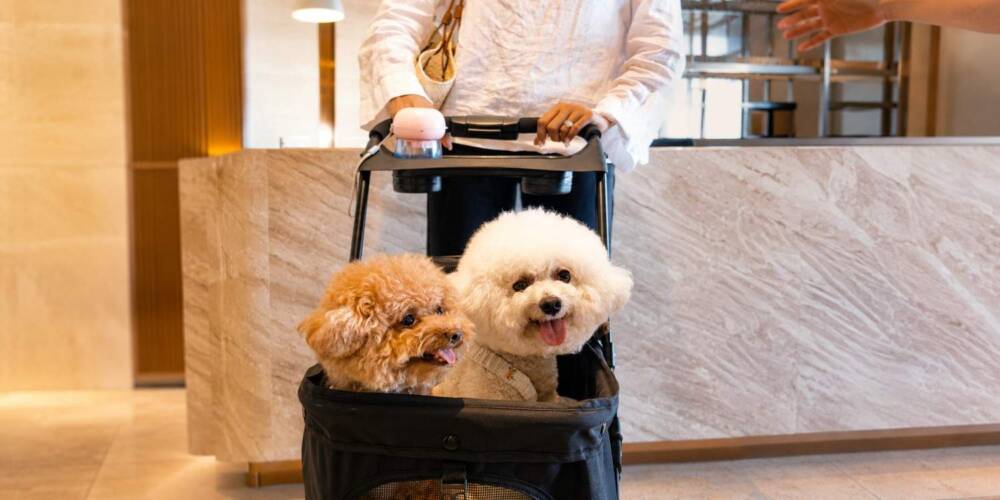
Travelling with Pets? IATA Reveals In-Cabin Guidance to Improve Flying Experience
July 17, 2026 Team Contributor
As more travellers bring pets on domestic and international trips, IATA pet travel guidance aims to create a more predictable experience through standardized procedures and clearer airline-passenger communication.
The International Air Transport Association (IATA), which represents around 360 airlines accounting for more than 80% of global air traffic, has issued new operational guidelines designed to help airlines manage in-cabin pet travel across every stage of the journey.
Growing Demand for Pet Travel
The move comes at a time when interest in travelling with pets continues to rise. According to 2025 Global Passenger Survey conducted by IATA, approximately one-quarter of respondents have travelled with a pet or would consider doing so in the future.
The survey also revealed several challenges facing pet owners:
- 41% were uncertain about whether their pet would be eligible to travel.
- 36% were unclear about airline policies.
- 34% were unsure about the overall pet travel process.
Brendan Sullivan, IATA’s Global Head of Cargo, said, “A pet is a much-loved member of the family. People traveling with their pets need clear guidance on what to expect at every step of the journey. That’s important because well-prepared travelers and industry-wide best practices enable airlines to deliver a safe, consistent, and efficient experience for those traveling with their pets.”
What Travellers Need to Know About Flight Bookings for Pets
IATA is encouraging airlines to make pet reservations more transparent and easier to manage through standardized booking processes.
Guidance for airlines:
- List pet travel options under “Special Baggage” or “Additional Services.”
- Use the PETC (Pet in Cabin) code for in-cabin pet reservations.
- Apply SSR ASVC where pet travel fees and EMD processing are required.
- Clearly outline booking requirements, documentation, fees, and travel conditions.
- Advise passengers that some booking platforms may not support pet reservations.
- Direct owners to contact the airline if pet bookings cannot be completed online.
How pet reservations may be made
The guidance recommends making pet travel bookings available through multiple customer channels, including:
- Airline websites
- Mobile applications
- Ticketing offices
- Customer service channels
Airlines are also encouraged to provide clear instructions on reservation procedures, documentation requirements, and applicable pet travel fees before departure.
Not every booking platform supports pet reservations
IATA notes that not all travel agencies, online booking platforms, and metasearch providers support pet-in-cabin reservations. In such cases, passengers may need to contact the airline directly to add a pet to an existing booking.
The process may typically involve:
- Booking the passenger ticket first.
- Contacting the airline to request pet travel.
- Adding the pet to the reservation.
- Providing required documentation.
- Paying any applicable pet transportation fees.
The guidance recommends that airlines communicate these limitations early in the booking process to help avoid confusion and last-minute travel disruptions.
Depending on the airline’s policy, eligible cats and dogs may travel in the cabin if they meet the requirements set out in the IATA Live Animals Regulations (LAR). Other animals may also be accepted, provided they comply with the same standards.
Preparing Pets for a Safe Journey
Air transport experts often recommend owners travelling with pets to:
- Feed pets 4 to 6 hours before departure.
- Exercise animals before arriving at the airport.
- Remove leashes before placing pets in carriers.
- Consult a veterinarian before travel, particularly for older pets or animals with health concerns.
- Avoid using tranquilizers unless specifically recommended by a veterinarian.
Pet Carrier and Booking Requirements
One of the most common issues faced by travellers is misunderstanding carrier requirements and airline restrictions.
Passengers are advised to:
- Review pet travel policies well in advance.
- Book early, as most airlines limit the number of pets permitted on a flight.
- Ensure pets travel in airline-approved carriers.
- Confirm kennel size, weight limits, fees, and age requirements before departure.
For animals travelling in the cabin, carriers typically must fit beneath the seat and remain closed throughout the flight. Pets should remain inside the carrier at all times and must not disturb other passengers.
Beyond supporting animal welfare, these requirements help safeguard airline passenger rights by promoting a safe, comfortable and predictable onboard environment for all travellers, including those with allergies, sensitivities or other concerns related to animals in the cabin.
Veterinarians Advise Caution on Sedatives
It is often observed that sedatives can affect breathing, balance, blood pressure and an animal’s ability to regulate body temperature during transport. Older pets and animals with underlying medical conditions may be particularly vulnerable to travel-related stress, making professional veterinary advice especially important before booking a trip.
The Canadian Food Inspection Agency and IATA do not recommend giving tranquilizers to traveling animals. Pet owners who believe medication may be necessary are encouraged to consult a veterinarian well before departure to assess potential risks and determine the most appropriate course of action.
Best Practices for Pet Owners
- Use airline-approved kennels that meet size and safety requirements.
- Choose direct flights to minimize stress and connection risks.
- Avoid peak travel periods and lengthy layovers whenever possible.
- Protect pets from prolonged exposure to extreme temperatures.
- Place a familiar blanket or toy inside the carrier.
As pet travel demand continues to grow, the latest aviation industry guidance aims to make air travel safer, clearer, and more comfortable for both passengers and their furry friends.
Important Links:
IATA’s New In-Cabin Pet Travel Operational Guidelines
IATA’s Guidance for Travellers Accompanied by Service Dogs
About the Author