
River Cruise Itinerary Changed? Know What Happens to Your Refund
October 9, 2026 Team Contributor
Imagine waiting to board a river cruise, only to find out your itinerary has changed at the eleventh hour. It’s immensely frustrating and may almost feel like a betrayal. This could happen anywhere, whether it’s an ocean cruise or a river boat cruise.
After all, you may have booked the trip and invested your savings because the plan fitted your requirements. But are you entitled to a refund?
The recent case involves AMA Waterways. An Ontario couple, Brian Lobaskie, who planned the perfect 11-day European river cruise after a year-long wait and put in $22,000, were told just before their flight that the itinerary had changed. The couple expected to travel from Amsterdam towards Switzerland, with excursions and a rail pass included in their wider plans.
Instead, they were offered a revised itinerary through the Netherlands and Belgium. No refunds were offered. The company argued that because the river cruise was still operating, the refund clause didn’t apply. They had to either settle for a changed itinerary. They refused to take it.
If you’re planning a river cruise, it’s important to know what could go wrong.
The dispute highlights a question worth considering before booking a river cruise: what happens when the holiday you planned is no longer the holiday being offered?
Why river cruise itineraries can change
River cruises depend on navigable waterways, and conditions can change during a sailing season. Low water levels, drought, flooding, severe weather, and navigation restrictions can affect predefined river cruise routes.
Most sailings run as planned, but what if you’re caught in one of those with changed routes? When water levels drop too low or rise too high (preventing ships from clearing low bridges), cruise lines frequently convert the cruise into a land-based tour. It’s not uncommon to hear of passengers sleeping on the docked ship or in local hotels and being bussed to daily excursions.
When something goes wrong, the usual fixes are:
- ship swaps, where you walk past the blocked section to a sister ship on the other side
- bus transfers
- changed ports or embarkation points
For European river cruises, travellers report that low water most often affects specific stretches, such as upstream of Vilshofen and downstream of Straubing. Look at the recent case of the Viking Ullur grounding in July 2026. The ship ran aground on the Danube near Vidin, Bulgaria, and was evacuated, with over 185 passengers and 50 crew aboard. This is probably the most dramatic recent case.
Most river cruise companies make it clear that itinerary changes can arise from conditions including high or low water levels, weather, and navigation-related difficulties. The contract also reserves the right to alter routes, change ports, and make other operational adjustments, subject to applicable terms and law.
Can you get a refund if your river cruise itinerary changes?
There is no single answer that applies to every cruise booking. Usually not if the cruise still sails with a changed route. You can generally expect a refund or rebooking offer if your cruise gets cancelled.
What happens in such cases depends on the itinerary change, the terms accepted at booking, the reason for the disruption and the consumer-protection rules that apply to the transaction.
Travellers should read the operator’s passenger contract before paying a deposit. Pay particular attention to clauses covering itinerary changes, substituted ports, alternative transportation, cancellations, refunds and credits. Don’t skip them. Or if you want to offload yourself, consult a travel advisor near you.
TICO accepts complaints against registered agencies, websites and tour operators, including for a cruise changed without notice. That covers your Ontario agent or tour operator, not a foreign cruise line.
For travellers booking through an Ontario-registered travel agency or tour operator, Ontario’s travel-industry regulations also matter. The regulations require prompt notice of certain material changes and address specific circumstances in which customers must be offered a choice of a full and immediate refund or comparable alternative travel services acceptable to them.
If an operator offers a travel credit instead of cash, ask whether the credit expires, whether it can be transferred, which trips it can be used for, and whether you’ll need to pay more if future fares rise.
Seems too much? Rightly so, as it may involve Canadian consumer protections, such as provincial travel-agent rules or credit-card chargeback options. A Canadian travel agent is the best source on those. Go ahead and consult a Canadian travel agent for a river cruise.
Does travel insurance in Canada cover it?
Travel insurance can help with certain unexpected costs, but coverage depends on the policy and the reason for the disruption.
Let’s look at popular travel insurance companies in Canada. For example
- CAA’s cruise cover includes itinerary changes resulting from an emergency medical problem on board.
- Manulife’s travel insurance plans include benefits for misconnections and disruptions from common carrier schedule changes.
But neither listing mentions low-water itinerary changes. So, always ask the insurer.
Before purchasing travel insurance in Canada, you should ask your insurer if it includes
- Cancellation or interruption caused by severe weather or river conditions.
- A substantial change to the cruise itinerary.
- Additional accommodation or transportation costs.
- Missed connections involving separately booked flights or other travel.
- Prepaid excursions or other non-refundable arrangements.
Get the answers in writing and read the policy exclusions. Do not assume that insurance will reimburse the full cost of a cruise simply because the experience differs from what was originally advertised.
Before you book a river cruise
River cruising is still a wonderful way to see the world. Most river cruises sail as planned. If you are one of those Canadians shifting away from large ocean liners toward regional options like St. Lawrence Cruise Lines, you’re not alone.
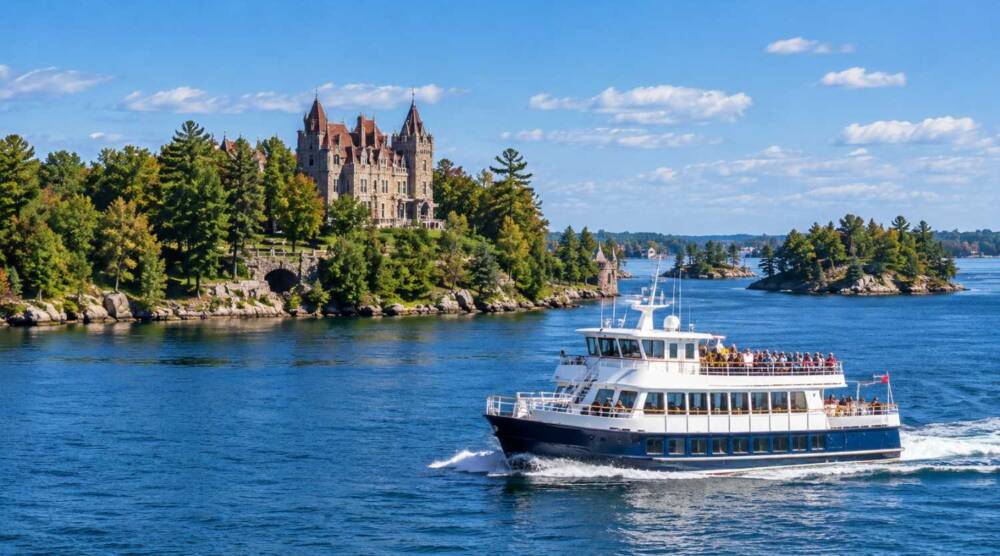
Canadians are rediscovering the charm of floating through scenic locations such as the Thousand Islands, Montreal, Quebec City, and Kingston. Add to this the lure of the European liners. European river cruises (such as the Danube, Rhine, and Seine) remain a hot favorite among Canadian travellers.
Here are some tips
- Book through a registered Canadian travel advisor. Ask for written confirmation of the line’s change and cancellation terms.
- Read the contract. Look for the water-level clause and any compensation or guarantee language.
- Ask about insurance early. Check whether a policy covers water-level disruptions and missed ports, and buy it when you book.
After you book
- Keep your records safe. Save the advertised itinerary, booking confirmation, passenger contract, insurance policy, and any written notice of changes. They’ll help if a question ever comes up.
- If the line warns of changes before departure, ask in writing about refund or rebooking options. Some lines have offered them.
- If a problem arises, keep receipts and emails, and contact your card issuer within 30 days.
You don’t have to figure this out alone. A travel advisor can compare lines, explain the fine print, help you choose the right insurance, and speak up for you if plans change. Don’t hesitate to ask before you book. That’s what they’re there for. Connect with a travel advisor.
About the Author