
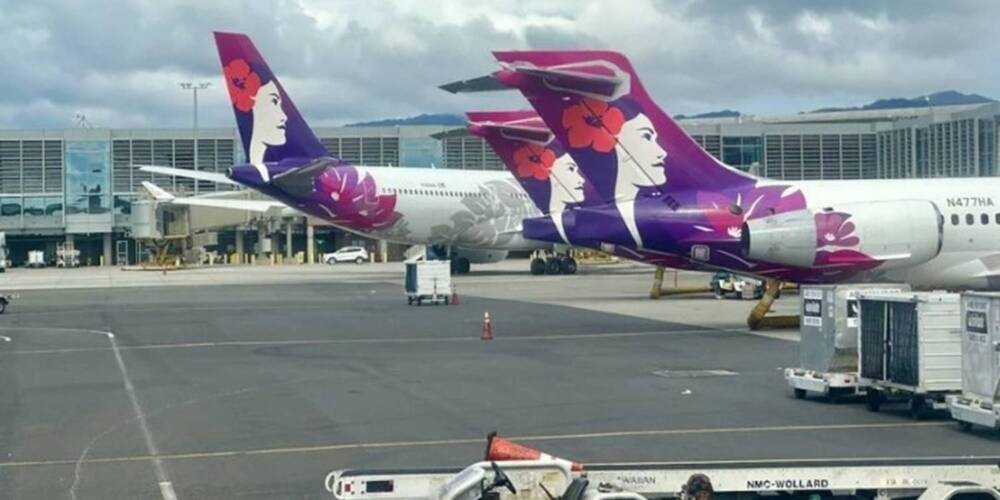
Alaska Airlines to Replace Hawaiian Airlines’ Boeing 717 Fleet with 737-800s on Inter-Island Routes
July 22, 2026 Team Contributor
A major fleet overhaul is on the horizon for Hawaiian Airlines, with Alaska Airlines choosing Boeing 737-800 aircraft to modernize inter-island operations. Starting in 2028, the fleet transition will improve capacity, reliability and passenger comfort across Hawai‘i.
Strengthening Connections Across the Hawaiian Islands
The new fleet will be based in Honolulu and operated by locally based pilots and flight attendants after integration. Boeing 737-800 aircrafts will continue serving the essential routes that connect Hawai‘i’s major islands, including O‘ahu, Maui, Hawai‘i Island, Kaua‘i, Moloka‘i and Lāna‘i. The upgraded fleet will better connect communities and Hawai‘i’s iconic island destinations.
Diana Birkett Rakow, CEO of Hawaiian Airlines, said, “Neighbor Island service is part of the fabric of life in Hawai‘i, and we know how deeply our guests, employees and communities care about its future.”
“This decision reflects our commitment to invest in Hawai‘i for the long term, to strengthen Hawaiian Airlines and to honor the local expertise, culture and care that have made Hawaiian the airline of Hawai‘i for nearly a century.”
Inside Hawaiian Airlines’ Future Inter-Island Experience
| Feature | What You Will Get |
| First Class | 12 premium seats |
| Premium Class | 30 extra-legroom seats |
| Main Cabin | 147 seats |
| Convenience | Personal device holders at every seat |
| Baggage Capacity | More room for surfboards and oversized gear |
Why Travellers Can Expect Onboard
The incoming Boeing 737-800 fleet will bring a more modern travel experience to Hawai‘i’s inter-island destinations. Travellers can expect:
- More premium seating options
- Fast onboard Wi-Fi connectivity
- USB charging and in-seat power
- Streamed entertainment on personal devices
- Reclining seats with adjustable headrests
- A refreshed cabin better suited to today’s traveller
Built for Hawai‘i’s Unique Flying Conditions
Alaska Airlines said the 737-800 was selected because it is well suited for Hawai‘i’s demanding operating environment. Inter-island flights involve short sectors, frequent daily cycles and exposure to salt-air conditions. The carrier believes the aircraft will help maintain frequent departures while adding much-needed capacity.
Before the full fleet transition begins, Alaska will add capacity this October by operating three daily round trips between Honolulu and Kahului using an Alaska-branded Boeing 737.
Jim Landers, Head of Hawai‘i Operations Alaska Airlines and Hawaiian Airlines, said, “The 737-800 gives us a proven, capable platform for the next chapter of Neighbor Island flying. It is well suited to the operational needs of the Islands and gives our teams a clear path to transition from the 717s while continuing to deliver the reliable service our guests expect.”
The announcement reflects a broader trend of airlines investing in stronger connectivity and smoother travel experiences. Recent developments such as WestJet’s expanded interline booking platform similarly highlight how carriers are increasing network reach while making travel more convenient for passengers.
Why Hawaiian Airlines Is Replacing Its Boeing 717 Fleet
The Boeing 717 has been the backbone of Hawaiian Airlines’ inter-island network for more than two decades, providing frequent service between Oʻahu, Maui, Hawaiʻi Island, Kauaʻi, Molokaʻi and Lānaʻi. While the aircraft remains reliable, the fleet is aging, making maintenance more complex and increasing the challenge of sourcing parts and technical support.
By introducing Boeing 737-800 aircraft, Alaska Airlines aims to position Hawaiian’s inter-island operation for long-term sustainability while offering passengers access to newer cabin features and connectivity options.
The Economics Behind the Fleet Upgrade
Fleet modernization is not only about passenger comfort. Airlines also evaluate operating efficiency, maintenance requirements, training needs and long-term aircraft availability when planning fleet transitions.
The Boeing 737-800 offers significantly greater seating capacity than the Boeing 717, allowing Alaska and Hawaiian Airlines to accommodate more travellers on high-demand routes. Larger aircraft can also help spread operating costs across more passengers during peak travel periods, potentially improving network efficiency.
The move is part of Alaska Air Group’s broader effort to integrate operations following its acquisition of Hawaiian Airlines and build a fleet strategy focused on long-term growth across the islands and the broader Pacific network.
What the Transition Means for Passengers
Although the full transition is scheduled to begin in 2028, travellers may start seeing signs of the change earlier as Alaska Airlines increases Boeing 737 operations within Hawaiʻi.
Passengers can expect:
- Service continuity
- Potential increase in seat availability
- A more consistent onboard experience across Alaska and Hawaiian-operated flights
- More premium options for sun and sand destinations
For residents who rely on frequent inter-island travel, the airline says maintaining reliable service throughout the transition period will remain a priority.
Important Link:
About the Author