
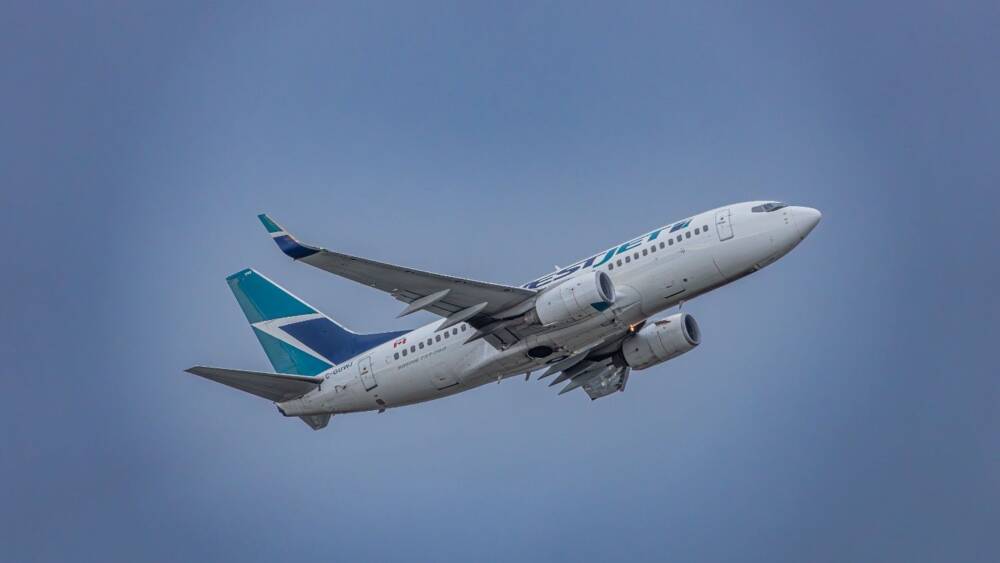
Long Weekend Turbulence —WestJet and Jazz Strike Threats Put Canadian Travellers and Their Insurance to the Test
July 22, 2026 Team Contributor
Canadians packing for the August long weekend are staring down a familiar late-summer script: two separate strike deadlines, one at WestJet and another at regional carrier Jazz Aviation, that could ground hundreds of flights just as peak travel season hits its stride.
Two Airlines, One Anxious Weekend
Jazz Aviation’s roughly 60 flight dispatchers, members of the Canadian Airline Dispatchers Association (CALDA), could legally walk out at 12:01 a.m. Atlantic time on August 1 after voting overwhelmingly for strike action.
Jazz operates about 400 daily flights under the Air Canada Express banner, and since dispatchers are legally required to run commercial flights, even a short walkout could cancel most of that schedule.
A day later, on August 2, roughly 4,400 WestJet flight attendants represented by CUPE Local 8125 could follow suit, threatening a large share of WestJet’s 560 daily departures. The union reported a near-unanimous 99.4 percent strike vote in mid-July, though both sides continue bargaining and stress that a mandate to strike isn’t the same as a strike itself.
WestJet CEO Alexis von Hoensbroech has echoed that message publicly, framing the vote as a standard negotiating tactic rather than a guaranteed shutdown.
Déjà Vu From Last Summer
Aviation watchers see clear parallels to the 2025 Air Canada flight attendants’ strike, when roughly 10,500 CUPE members walked off the job for three days in mid-August, stranding tens of thousands of daily travellers before a federally brokered return to work.
Wage catch-up after a pandemic-era contract and pay for unpaid ground duties — boarding, safety checks, deplaning — remain the central sticking points at WestJet too, echoing that earlier dispute almost point for point.
Notably, a federal law that took effect in mid-2025 restricts the use of replacement workers during a legal strike at federally regulated employers, which limits how much of a schedule an airline can keep running if cabin crew or dispatchers do walk out.
The Coverage Gap Nobody Warns You About
Here’s where the story gets trickier for anyone already holding a ticket: travel insurance timing matters enormously. Once a union publicly announces a strike vote or deadline, insurers can classify the dispute as a “known event,”.
This means policies bought afterward typically won’t cover cancellations tied to that specific strike. Basics like medical emergencies or trip delays from other causes may still apply. Coverage bought before the vote was announced stands a better chance of holding up.
That distinction matters because airlines and insurance aren’t interchangeable protections. Under Canadian air passenger rules, an airline grounded by labour action generally still owes you a rebooking or refund for the flight itself. But that obligation rarely extends to a missed cruise, tour package, or hotel deposit tied to your travel dates.
Trip cancellation and interruption coverage, bought early enough, is what protects those downstream costs; airline-bundled insurance rarely does.
What Travellers Can Actually Do Now
For anyone flying WestJet or an Air Canada Express route around the long weekend, a few practical moves stand out:
- Check whether your existing policy predates the strike announcements,
- Ask specifically about “known event” exclusions before buying anything new,
- Keep an eye on rebooking options if your flight gets cancelled outright.
“Cancel for any reason” add-ons exist but usually reimburse only a portion of costs, so they’re a partial safety net rather than a full one.
Both disputes remain fluid, and a deal at either bargaining table could ease the pressure before the long weekend arrives. Travellers who stay flexible and read the fine print on their insurance now, not after a strike notice lands, will be best positioned either way.
This article is for general information purposes and reflects the status of negotiations as of the time of writing; travellers should confirm current flight and insurance status directly with their airline or provider.
About the Author