
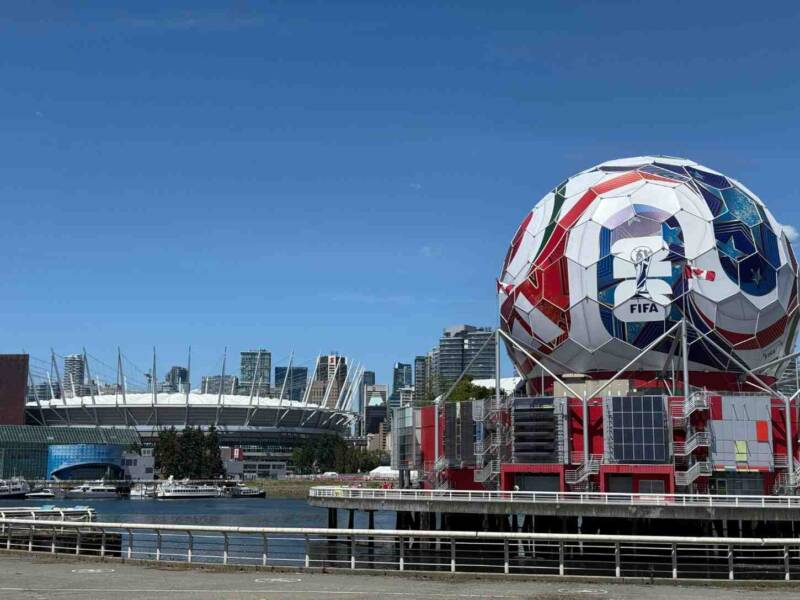
FIFA World Cup Sparks Safety and Disruption Concerns in Host Cities
June 15, 2026 Team Contributor
With the arrival of the FIFA World Cup 2026, host cities in Canada, Toronto and Vancouver, have entered the spotlight by bringing economic potential, excitement and a surge in global visitors.
But alongside the anticipation, conversations are on the rise around how the games will impact daily life in the cities.
For many, the question is not only about hosting a global event but also about how smoothly the cities can balance everyday functionality and celebration.
The growing crowds are coming with growing questions
Vancouver and Toronto are jointly hosting 13 matches, with thousands of soccer fans expected to move through the cities during the matches.
While the events bring strong global visibility and tourism, it also means that cities must adapt quickly to the rising pressure on infrastructure, transport and public services.
As per reports, the residents are already prepared for:
- Changes in neighbourhood access
- Busier transit systems and road traffic
- Larger crowds in public spaces
For local communities near stadium zones, such changes will likely be most noticeable on match days.
Movement management across the city
One of the biggest opportunities and challenges lies in how people move across host cities.
For managing the surge in visitors, the cities have introduced:
- ‘Transit-first’ approach to reduce congestion
- Temporary traffic adjustments and road closures
- Alternative travel options and expanded public transit services
The measures are designed to keep the cities moving efficiently while accommodating the crowds. For example, in Toronto, the transportation plans anticipate increased activity and encourage visitors to rely heavily on walking and public transit.
On the other hand, in Vancouver, certain downtown areas have transformed or are in the process of becoming pedestrian-friendly zones to support both the fan experience and safety.
Focus on preparedness and safety
For large-scale global events, safety planning is a central priority.
The authorities are preparing with:
- Advanced monitoring systems
- Expanded security and police presence
- Planning for coordinated emergency response
Such efforts aim at ensuring a secure environment for both visitors and residents. At the same time, community groups have emphasised the need for maintaining a respectful and inclusive approach.
A balance between impact and opportunity
World Cup and such major events come with both benefits and expectations of adjustments from the host cities for as long as they have.
On one hand, when host cities experience:
- Global exposure
- Increased spending and tourism
- Opportunities for the local business
On the other hand, the cities also have to adjust to:
- Increased infrastructure demand
- Adjustment for commuters and residents
- Temporary mobility and traffic disruptions
For a lot of cities, success lies in how well they can balance these two.
Hosting FIFA World Cup 2026’s 13 games is a historical and significant feat for Canada to blend global cultural energy, attention and economic opportunity. At the same time, it is also a test of how Toronto and Vancouver can adapt to large-scale events while staying strong in everyday livability.
For residents and travellers alike, the upcoming weeks will highlight not just the true flavour of world-class football, but also how the cities can handle the challenge of hosting the world.
About the Author