
Cuba Opens Its Doors Wide With 100% Foreign Ownership and a Tourism Overhaul That Changes Everything
June 23, 2026 Team Contributor
Canada Travel News has been closely tracking the Cuban crisis in the aftermath of the US-led oil embargo. Whether it’s the gradual collapse of tourism due to a deepening oil crisis, a growing humanitarian crisis with acute power outages, or the indefinite flight suspensions by major Canadian airlines due to jet fuel scarcity.
Today, there is a different kind of Cuba news to report. One that signals the Caribbean island nation may be trying to rewrite its future entirely.
The headline measure is striking: for the first time, international investors can own Cuban tourism projects outright — 100% foreign ownership, no state joint venture required. The economic reforms in Cuba are historic for an island nation which resisted US pressure for almost six decades.
The Cuban parliament, the National Assembly of People’s Power (ANPP), on Thursday approved 176 measures presented by Prime Minister Manuel Marrero to revamp the ailing Cuban economy in a strategic response to the deepening economic crisis.
The set of reforms is being hailed as significant within and beyond Cuba.
Cubans living under tough times, exacerbated by average daily power outages of around 20 hours, listened hopefully to a televised address of President Miguel Díaz-Canel when he said, “To the Cuban living abroad who wants to invest, donate, import technology, open a market, or build a project in his homeland, we will offer a clear, stable and respectful framework.”.
The strategic reset in Cuba
In a strategic reset that finds no parallel in Cuban history, the slew of reforms aims to increase the participation of private players, paving the way for a more relaxed economy. The government is finally pushing to attract investment across sectors.
Consequently, it means a shrinking role of the state signalling a measured recalibration, if not a complete departure from the socialist model. Though a timeline wasn’t revealed, the next steps would be taken up soon.
Speaking about the new vision, President Miguel Diaz-Canel denied the conjecture that the Cuban economic reforms were taken under growing US pressure. He added, “If they really want to help the Cuban people, let the people live in peace. We are living through the most difficult hours of this century, and we have a historic responsibility to save the country.”
Foreign investors no longer have to partner with state-owned companies. The reforms also allow foreign investors to acquire stakes in state-owned companies as part of a push for greater private-sector participation.
This replicates the twin approaches of liberalisation and decentralisation, which are part of the free-market reforms we have seen as socialist systems move towards a more relaxed economy.
It seems that, for now, Cuba would follow in the footsteps of market economies like China and Vietnam, which still operate under the communist system.
What the reforms actually change in Cuba
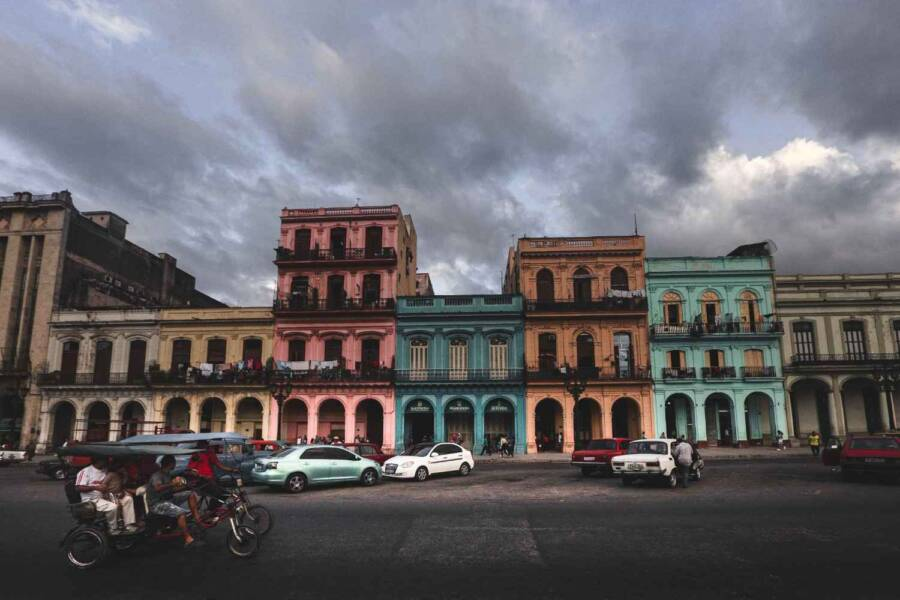
The scope of what Cuba is opening up is significant. Private capital can now enter previously restricted zones, including Old Havana, Trinidad and Los Cayos. Hotels are being leased rapidly to private hospitality operators.
Just a couple of weeks earlier, major hotel chains in Cuba were either ceasing operations or reducing their footprint in the tourism-driven economy.
Cubans living abroad can buy property and directly manage heritage boutique hotels. Car rental, travel agencies, and local tour operators can now operate under private or joint-venture structures.
Global banking integration has been introduced to streamline payments for international operators and investors.
On the brand side, Cuba is franchising some of its most iconic names internationally, such as La Bodeguita del Medio, Floridita, and Gato Tuerto, among them, to drive global market positioning.
Operators can now import premium inventory directly, cutting out the bureaucratic bottlenecks that have long frustrated resort operators and their guests.
Gihana Galindo, Director of the Cuba Tourist Board in Toronto, called it “a milestone that allows our industry to be more sustainable, autonomous, and resilient.” The Ministry of Tourism is actively inviting international project proposals, directed through the Cuba Tourist Board, Cuban Consulates, or the Cuban Embassy in Ottawa.
What this means for Canadians
Cuba has historically been one of Canada’s most popular winter sun destinations. The timing of these reforms matters. With Air Canada, Sunwing, WestJet and Air Transat all still holding their flight suspensions, commercial access to the island remains limited.
These reforms are clearly aimed at attracting the investment needed to stabilise the infrastructure, power, fuel, and resorts, which will determine whether Canadian tourists can realistically return.
Whether these changes move fast enough to restore confidence is still an open question. But after months of watching Cuba contract, this is the first genuine signal of a pivot. It remains to be seen how Cuba moves toward on-the-ground implementation of these reforms in the wake of US limitations that remain in place.
We will keep watching and bring more Cuba news as the story unfolds.
About the Author